Grab your favorite brush pen and let's draw some beautiful letters together! If your thin upstrokes look wobbly, scratchy, or uneven, it is rarely because you are “bad at lettering.” It is usually one tiny mismatch between pressure, speed, pen angle, paper drag, or how your arm is moving. Let’s smooth those upstrokes into silky little threads.
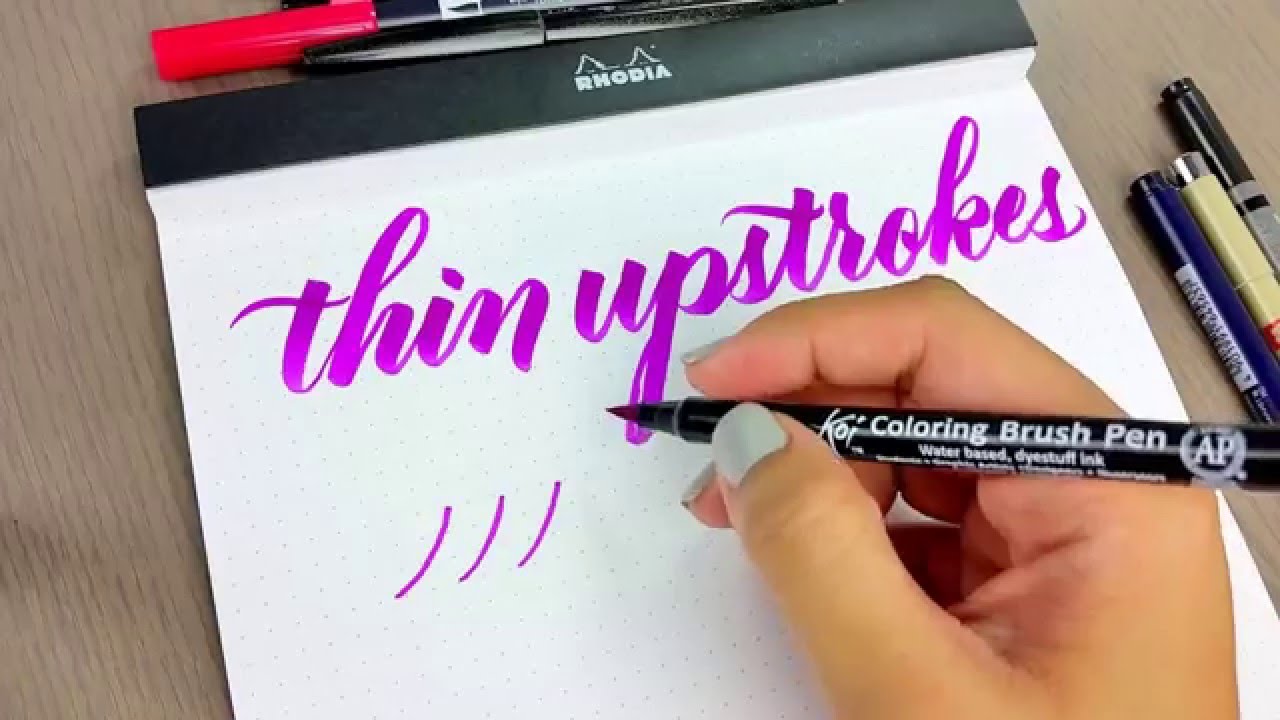
What a smooth upstroke is supposed to feel like
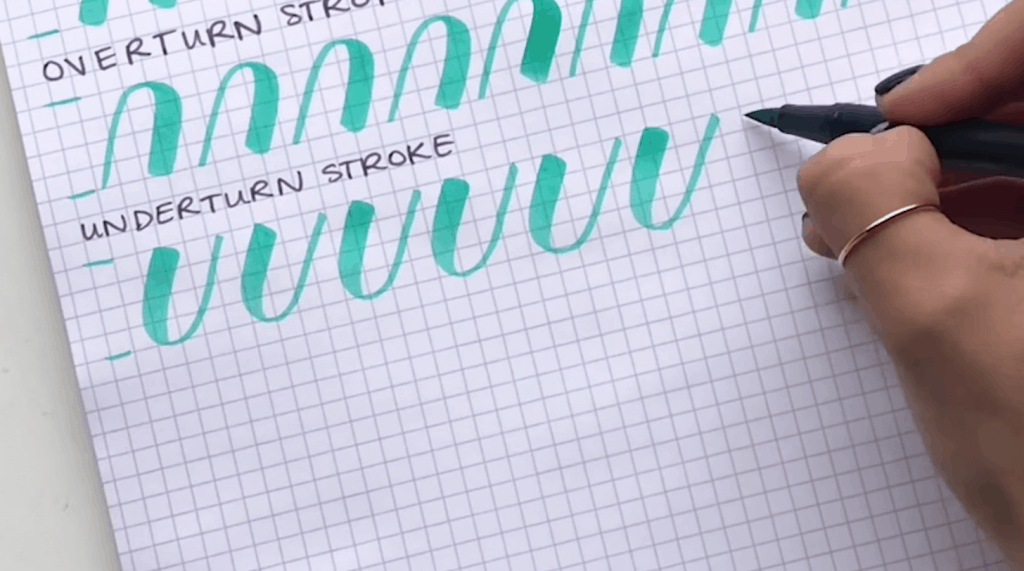
An upstroke is the light, thin stroke made while moving upward, usually with minimal pressure so the brush tip stays pointed. A smooth upstroke usually has three traits:
- Feather-light pressure so the tip does not splay.
- Steady speed so the ink flow stays consistent.
- One clean direction with no tiny course corrections mid-stroke.
If your line jitters, it is often your hand doing micro-adjustments while the pen tip catches on paper texture or while your grip is trying to “help.”
The fastest diagnosis: match the wobble to the cause
Use this quick troubleshooting map. Find the description that matches your upstrokes most closely.
- Wobble looks like tiny zigzags: usually tension in fingers or wrist, or moving too slowly.
- Upstroke gets thick randomly: pressure spikes, pen angle changes, or brush tip is fraying.
- Line looks grainy or skips: paper texture, dry tip, or rotating the pen while moving.
- Upstroke curves when it should be straight: pulling from fingers instead of the arm, or your page angle is fighting you.
- Upstroke shakes more near the top: running out of comfortable range and lifting your shoulder, or holding your breath.
Reset your posture for steadier thin lines
Smoother strokes begin before the pen touches the page. Set up a “quiet body” so your hand can glide.
1) Sit tall and un-hunch
Shoulders relaxed, neck long. Hunched posture often makes your hand do tiny tension shivers.
2) Anchor your forearm, not your wrist
Let your forearm rest lightly on the table. Your wrist can float a bit, but avoid writing only from the wrist. When the wrist does all the work, it tends to wobble under slow, careful movements.
3) Turn the page to match your natural motion
If straight upstrokes feel awkward, rotate your paper a little so “up” is closer to a comfortable diagonal. You are allowed to move the paper. Calligraphy is not a no-rotation sport.
If baseline consistency is also making you tense, take a peek at bouncy calligraphy baseline rules. A calmer baseline often relaxes the whole hand.
Fix your grip: less pinch, more guide
Shaky upstrokes often come from a grip that is trying too hard. The goal is to guide the pen, not squeeze it into behaving.
Try the “two checks” grip adjustment
- Pressure check: Hold your pen, then loosen your fingers until it almost slips. Tighten just enough to keep control. That is the sweet spot.
- Finger check: If your fingertips turn white or your knuckles lock, you are gripping too hard.
Keep the pen angle steady
For most brush pens, a comfortable angle is roughly 45 to 60 degrees from the paper. The exact number matters less than keeping it consistent through the stroke. If the angle changes, the tip grabs, and your hand reacts with a wobble.
If your pen tip is no longer forming a sharp point, it can also make upstrokes look thick and shaky. This guide can help: how to fix frayed brush pens.
Use breathing to stop the “shake”
It sounds simple, but it works: many letterers hold their breath while making a careful thin line, and that creates tiny tension tremors.
The exhale stroke
Before you make an upstroke, inhale gently. As you draw the line, exhale slowly. The exhale encourages your shoulder and hand to soften, and it makes your speed more even.
Don’t hover in midair
If you lift your whole arm and “hover write,” your muscles are working overtime to keep you suspended. Let your forearm touch down lightly so your hand is not shaking from effort.
Adjust your speed: slow is not always smooth
Many shaky upstrokes come from moving too slowly. When you creep along, your brain tries to steer constantly, and the pen tip has more time to catch on paper fibers.
Find your “glide speed” drill
- Draw 10 light upstrokes at a comfortable medium speed.
- Draw 10 a bit faster, still light.
- Circle the set that looks smoothest.
That smoothest set is your current glide speed. Practice there first, then gradually slow down while keeping the same relaxed feeling.
Stabilize your motion: move from the arm
For thin upstrokes, finger-only motion can wobble because fingers make tiny, segmented movements. A steadier path often comes from combining:
- Shoulder and forearm for direction
- Fingers for small adjustments
Micro warm-up (1 minute)
- 10 light lines using mostly forearm movement
- 10 light lines using mostly fingers
- 10 light lines blending both
You are teaching your hand what “smooth” feels like before you add letter shapes.
Want a structured routine for this kind of practice? These 15-minute daily calligraphy drills keep your strokes steady without feeling overwhelming.
Check your paper and pen pairing
Sometimes the wobble is not you. It is friction.
Paper drag can cause jitter
Highly textured paper can grab the brush tip and make the line look shaky or fuzzy. Smoother paper reduces resistance and helps your upstrokes stay even.
If your pens fray quickly or your thin lines look scratchy, this can help: paper that keeps brush pens from fraying.
A dry or starved tip can skip
If your upstroke is skipping, try slowing just slightly and keeping the tip angle consistent. Also check that you are not pressing so lightly that the tip barely touches. Feather-light is good, but it still needs contact.
Three targeted drills for smoother upstrokes
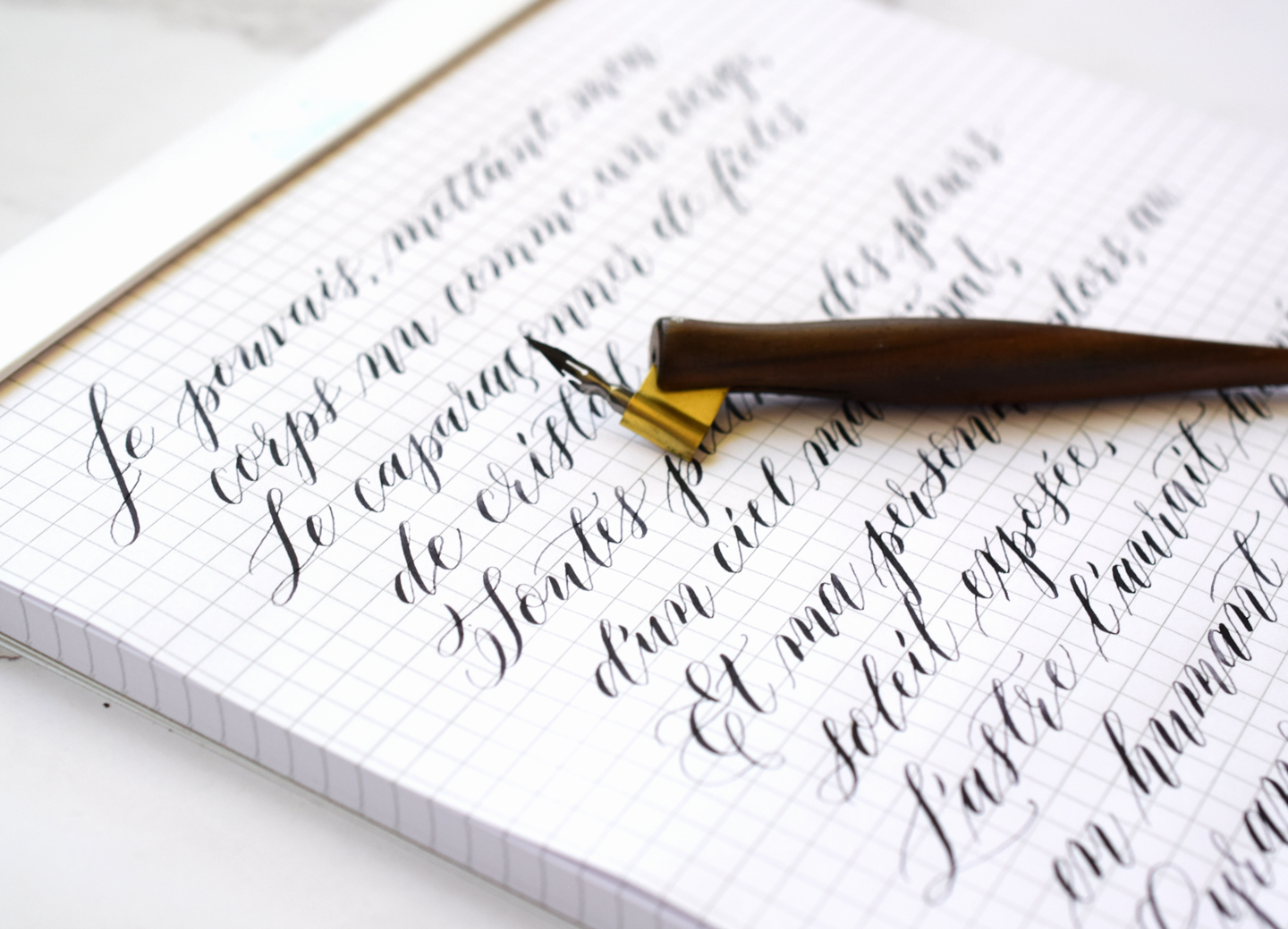
These drills are tiny, specific, and very effective. Pick one and do it for 3 to 5 minutes.
1) The “thread” drill
Draw a page of hairline upstrokes, aiming for the thinnest line you can make without skipping. Focus on steady speed and relaxed grip.
2) The “upstroke ladders” drill
Make sets of three upstrokes in a row, evenly spaced, like a ladder. The goal is consistent spacing and consistent pressure. Wobble often disappears when the brain focuses on rhythm.
3) The “entry stroke” drill
Many wobbles happen at the beginning of a stroke. Practice starting cleanly:
- Touch the tip down lightly.
- Begin moving first.
- Then add the tiniest pressure needed to keep contact.
This prevents the common “poke then drag” start that creates a shaky first inch.
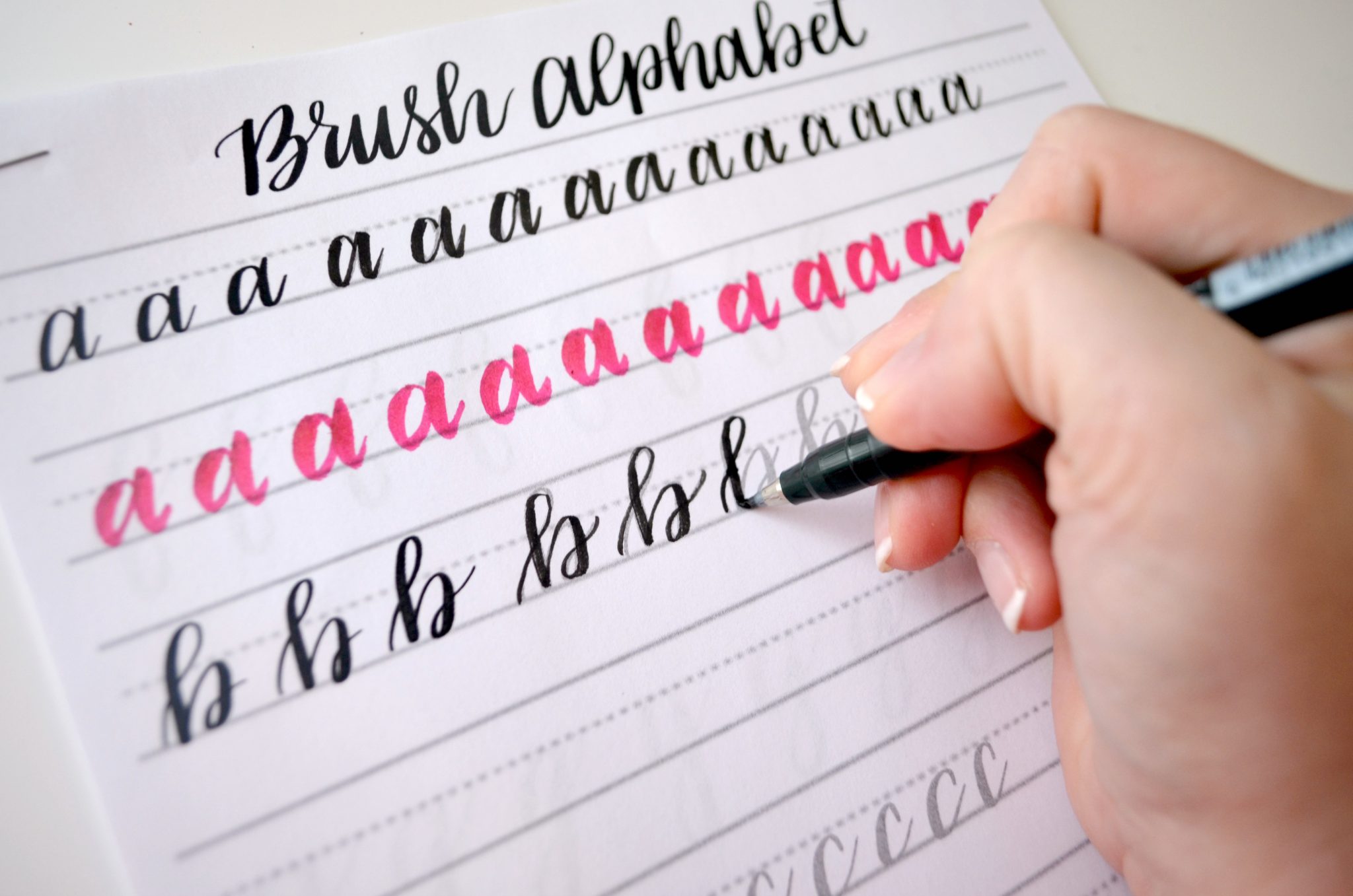
If you want to build these into full-letter practice, review the foundations in 8 basic brush lettering strokes. Smoother strokes always add up to smoother letters.
Common mistakes that make upstrokes shaky
- Rotating the pen while moving. Keep the barrel stable so the tip direction stays consistent.
- Trying to make upstrokes perfectly vertical. A slight slant is fine and often smoother.
- Pressing harder to “steady” the line. More pressure usually makes it worse by widening the stroke and increasing drag.
- Practicing only letters, not strokes. Letters hide problems. Strokes reveal them and fix them faster.
- Skipping warm-ups. Your hand needs a minute to find rhythm.
When shaky upstrokes are actually a pen issue
If you have adjusted posture, grip, speed, and paper, and your upstrokes still look ragged, your tool may be fighting you.
- Frayed tip: thin lines appear fuzzy or split. Try the repair tips in how to fix frayed brush pens.
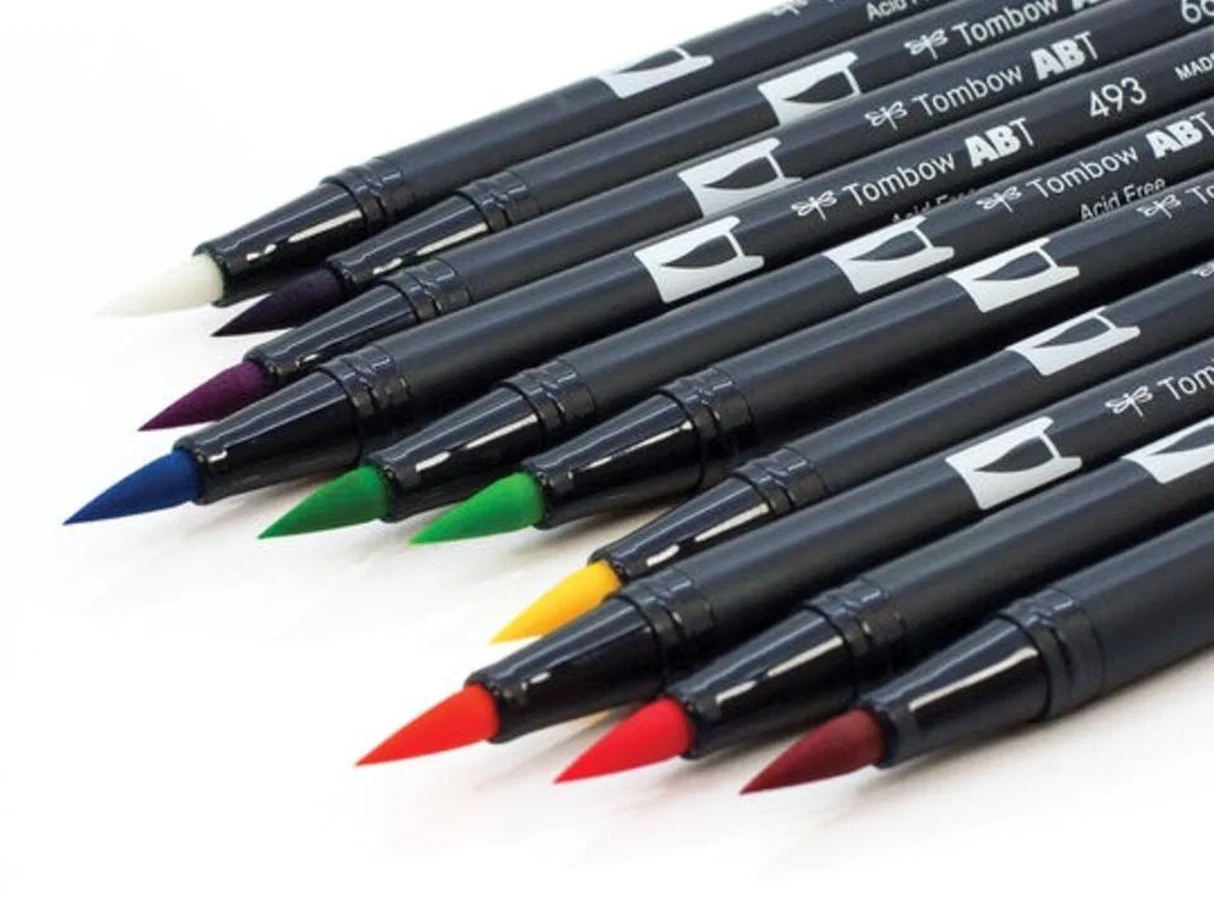
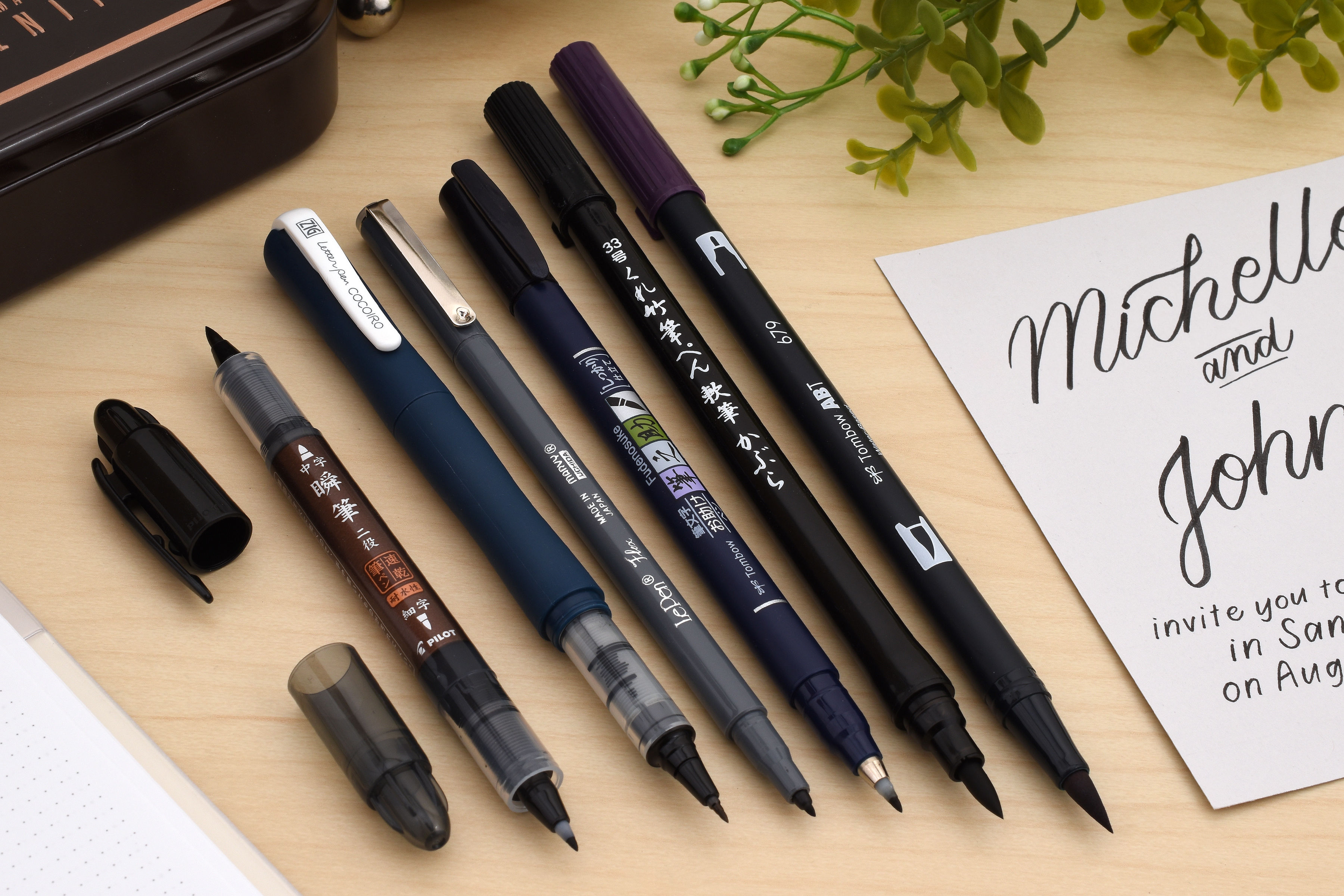
- Too-large brush pen for tiny writing: big flexible tips can feel unstable at small sizes. A smaller brush tip can make control easier. This roundup can help you pick a beginner-friendly option: best brush pens for calligraphy beginners.
- Ink flow issues: some pens skip on certain papers. Switching to smoother paper often fixes it first.
A tiny routine to build steady upstrokes (5 minutes)
- 30 seconds: shoulder drop and exhale strokes without writing, just moving your hand over the page.
- 2 minutes: thread drill (hairline upstrokes).
- 2 minutes: upstroke ladders.
- 30 seconds: write a simple word like “minimum” focusing only on upstrokes.
Repeat daily for a week. The goal is not perfection. The goal is calm, repeatable motion.
Upstroke FAQ
Why do my upstrokes get thicker halfway through?
Usually pressure creep. Your hand gradually presses harder as it travels. Try exhaling through the stroke and consciously lifting pressure near the middle, as if you are letting the pen float.
Why do my upstrokes wobble more than my downstrokes?
Downstrokes use pressure, which can feel stable. Upstrokes require light contact, and light contact reveals tension and paper drag. A steadier speed and gentler grip usually solve it.
Should upstrokes be hairline thin?
Not always. Many modern styles use a slightly thicker upstroke for a softer look. Aim for consistent thinness first. Once it is consistent, you can choose your preferred style.
How do I keep my lines smooth when connecting letters?
Plan the exit and entry strokes so you are not doing sudden direction changes with a tense hand. This tutorial helps with clean joins: how to connect letters in modern calligraphy.
One last squeak of encouragement
Shaky upstrokes are a normal stage, especially when you are learning to use a light touch. Keep the pressure soft, let your arm help, breathe out as you draw, and give your pen a smooth surface to glide on. Your thin lines will settle into rhythm, one quiet swoop at a time.