
Grab your favorite brush pen and let's draw some beautiful letters together! If your brush tip is starting to look fuzzy, splayed, or scratchy, there is a good chance your paper is acting like sandpaper. The good news is that a few simple paper choices can keep your brush pens springy and happy for much longer.
Why brush pens fray on the wrong paper
A brush pen tip is made of flexible fibers (felt, nylon, or a bristle-like synthetic). On rough paper, those fibers catch on texture and get pulled out of alignment. Over time, the tip starts to split and your downstrokes look ragged.
- Toothy paper (noticeable texture) tugs at fibers.
- Paper dust from cheap pads can clog the tip and make it feel dry.
- Feathering and bleedthrough can tempt you to press harder, which speeds up wear.
For most modern lettering practice, the goal is simple: smooth, ink-friendly paper that lets the tip glide with light pressure.
The 3 paper qualities that matter most
1) Smoothness (low tooth)
This is the biggest fray-preventer. Look for paper described as smooth, hot press, marker paper, or bleedproof. For bristol, look for smooth or plate finishes (not vellum-textured bristol). If a page feels slightly waxy or very slick, that can be fine too, as long as your ink dries without smearing.
Quick test: make a few very light upstrokes and one gentle downstroke. If it feels snaggy or sounds scratchy, try a smoother sheet. No rubbing or scraping required.
2) Weight (thickness) and stiffness
Weight is often listed as gsm (metric) or lb (US), but the lb number depends on the paper type, so it is not always an apples-to-apples comparison. Heavier paper can reduce bleedthrough and buckling, but weight alone does not guarantee smoothness. Some thick watercolor papers are very rough and will fray tips quickly.
- Great for practice: roughly 70 to 100 gsm if it is smooth.
- Great for finished pieces: about 100 to 160 gsm if you want a sturdier feel, still smooth.
- Often too rough for brush pens: textured watercolor paper, cold press watercolor paper, and many kraft papers.
3) Coating and sizing (how the surface handles ink)
Some papers are treated to help ink sit on top instead of soaking in. That can mean cleaner edges and less feathering. The tradeoff is dry time: very smooth, coated papers can take longer to dry, especially with juicy brush markers. Super slick papers can also smear more easily, or even cause skipping with some water-based inks, so it is worth doing a quick test word first.
Best paper types for protecting brush tips
Marker paper (super tip-friendly)
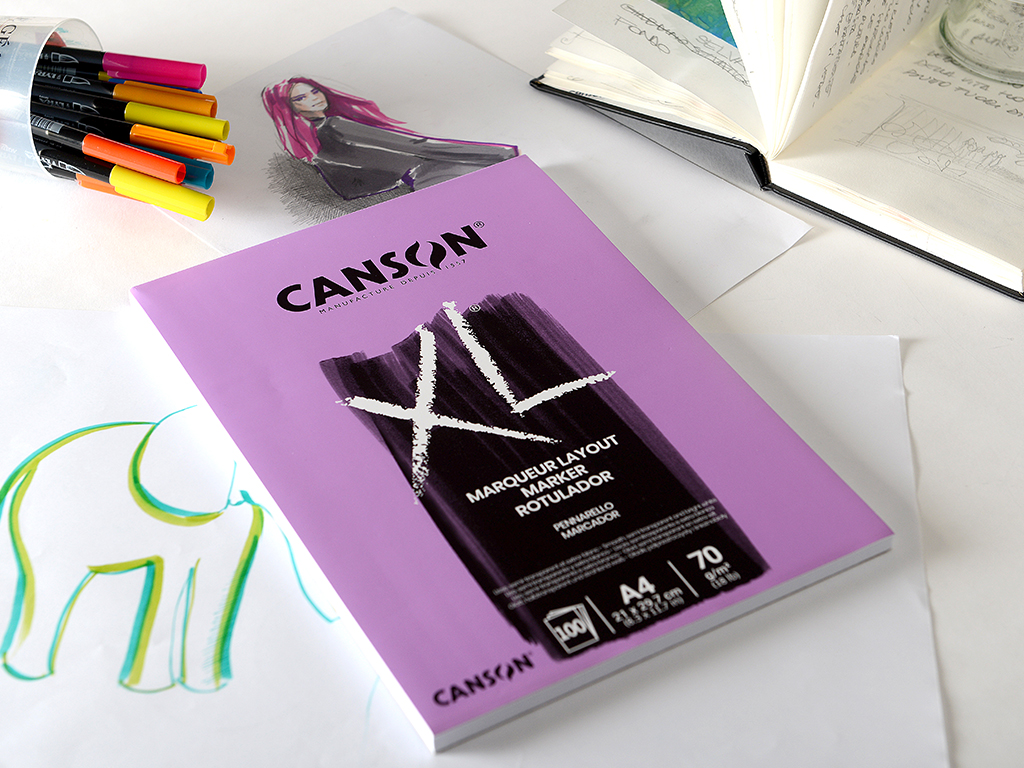
Marker paper is designed for smooth laydown. It is a favorite for brush markers and dual-tip alcohol markers because it reduces drag. Many marker pads are thin, so expect show-through. That is fine for practice if you use a blotter sheet underneath.
Smooth bleedproof pads (clean lines, less bleed)
Bleedproof paper is designed to reduce feathering and show-through, and many versions also resist ink soaking through. Results can vary by brand and ink, but these pads are typically very smooth and wonderful for brush pens when you want crisp edges and clean drill sheets. Dry time can be a bit longer, so give your letters a moment before stacking pages or closing the book.
Smooth bristol (for finished lettering)
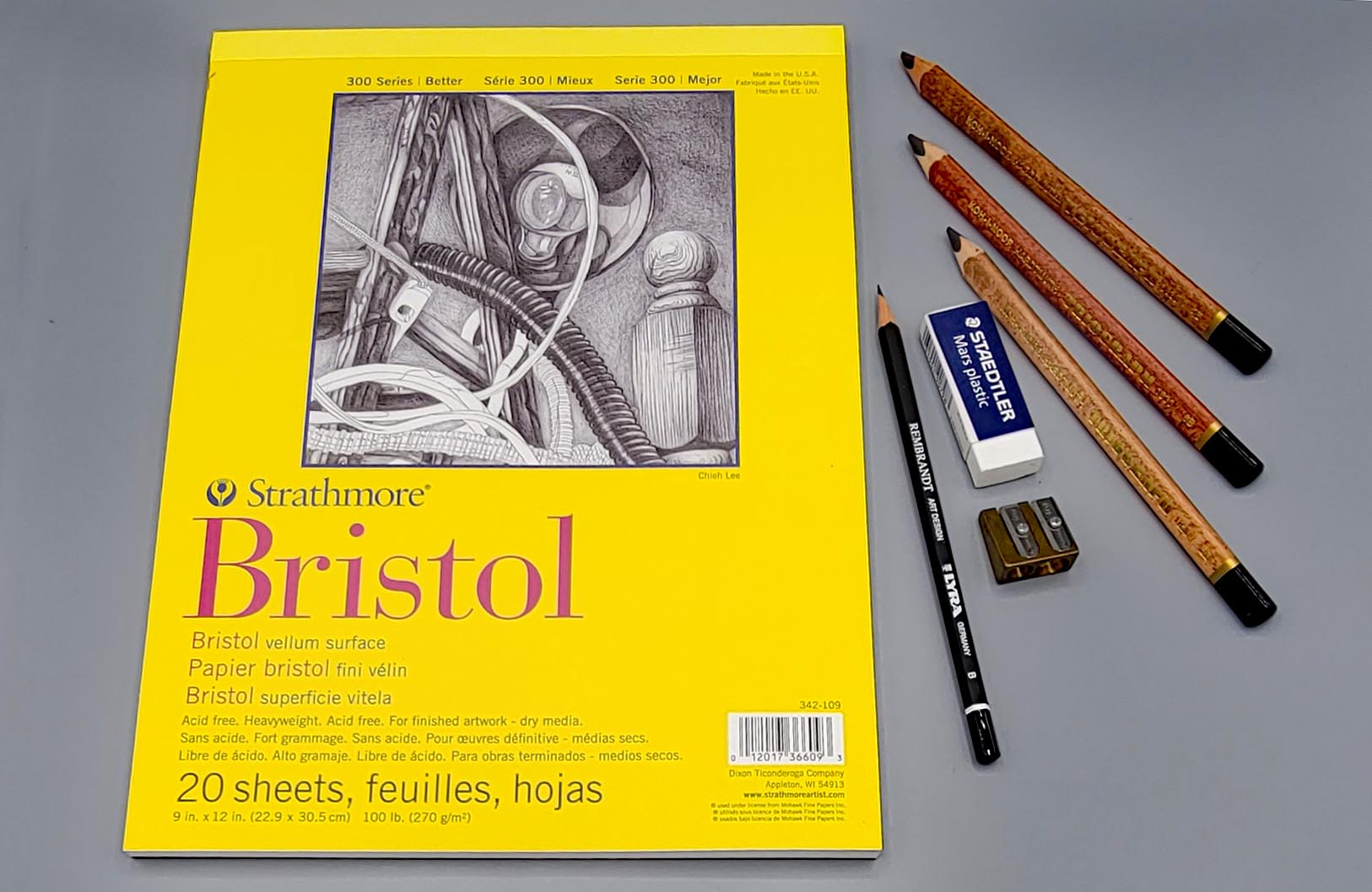
Bristol is thicker and more rigid, often used for illustration. Choose smooth bristol (not vellum-textured bristol). It is a sturdy choice for finished quotes, envelope-sized artwork, and pieces you want to scan.
Good-quality smooth notebooks (everyday practice)
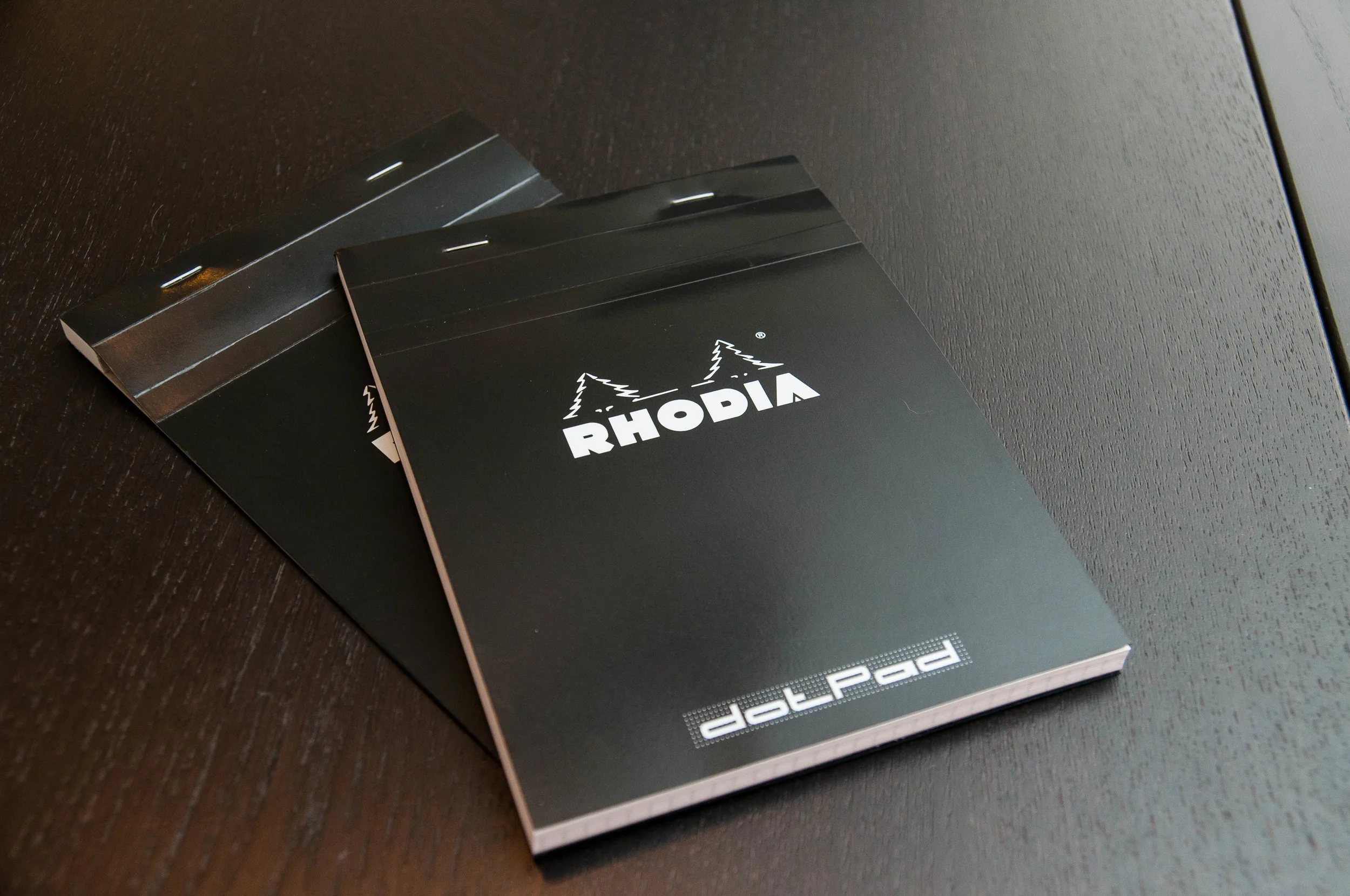
Some premium notebooks and dot pads are surprisingly brush-pen-friendly. Look for smooth paper with minimal tooth. If you love practicing anywhere, a smooth dot grid pad can be a happy middle ground.
Paper brands and product lines that are often smooth enough
Paper availability changes by country and store, so instead of one single “best,” here are widely used lines that are commonly smooth for brush lettering. Always confirm you are buying the smooth version of a line.
- Rhodia dot pads and notebooks (smooth surface, popular for lettering practice).
- Clairefontaine notebooks and pads (known for very smooth writing paper).
- Canson marker pads (designed for markers and smooth pen glide).
- Strathmore Bristol smooth (a sturdy option for finished pieces).
- HP Premium printer paper (a classic budget-friendly smooth practice option for many brush pens).
If a pad says “watercolor,” “cold press,” “textured,” or “rough,” keep it for paint and save your brush pens for smoother pages.
Choosing by what you are making
For warm-up drills and daily practice
- Smooth dot grid or smooth sketch paper
- HP Premium printer paper for quick stacks of practice sheets
- Add a scrap sheet under your hand to reduce smudging
If you want more structure in your practice sessions, hop over to Tutorials & Practice Drills for stroke ideas you can repeat on tip-friendly paper.
For finished quotes and gifts
- Smooth bristol for crisp scans and sturdy feel
- Bleedproof pads for very clean edges
- Heavier smooth cardstock if you want a card-like finish
For blending and very wet inks
If you use very juicy brush markers or do lots of blending, choose a paper that can handle moisture without pilling. Smooth bristol can work, and some bleedproof papers do great too. Avoid fibrous, fuzzy, bargain sketch pads that shed paper dust into your tip.
Two simple paper tests
The glide test
Make a few light upstrokes and one slow downstroke. If you feel snagging or hear scratchy drag, your brush tip is getting tugged.
The edge test
Letter a small word, then look closely at the edges. If the line looks fuzzy (feathering), the paper is absorbing ink too aggressively. That often leads to pressing harder, which wears out tips faster.
Common mistakes that fray tips faster
- Using watercolor paper for brush pens: even 140 lb watercolor paper can be rough and tip-shredding.
- Practicing on low-quality copy paper: some budget or recycled papers are surprisingly abrasive and dusty.
- Pressing hard to force contrast: let the brush pen do the work. Smooth paper helps you use a lighter touch.
- Lettering over pencil grit: heavy erasing can rough up fibers. Erase gently and brush away crumbs.
Quick shopping checklist
- Surface: smooth, hot press, marker, or bleedproof
- Weight: about 70 to 100 gsm for practice, heavier if you want sturdier finished work
- Texture words to avoid: rough, textured, cold press, toothy
- Plan for show-through: keep a blotter sheet nearby for thinner marker papers
Want more ways to match materials to your style? Browse Tools & Supplies for more pen, ink, and paper-friendly tips.
FAQ
Is heavier paper always better for brush pens?
Nope. A thick paper can still be textured. Smoothness matters more than weight for preventing fraying. Choose smooth first, then pick a weight that fits your project and your ink.
Can regular printer paper really be good for brush pens?
Yes, if it is smooth and decent quality. Many letterers use bright, smooth printer paper for drills because it is gentle on tips and easy to replace. Expect some show-through with very juicy ink.
What is the difference between feathering, bleedthrough, and show-through?
Feathering is when the edge of your stroke looks fuzzy as ink spreads into the paper fibers. Bleedthrough is when ink actually soaks through to the back. Show-through (also called ghosting) is when you can see the writing from the other side even though the ink did not truly bleed through.
Does brush tip type matter?
Yes. Felt tips tend to show wear faster on rough paper, while nylon or synthetic brush tips usually hold their point longer. Smaller brush pens can also feel scratchier because the tip has less surface area to glide. Whatever you use, smoother paper helps.
What about tracing paper?
Tracing paper is very smooth, so it can be kind to tips. The main issue is smearing and longer dry time. If you use it, let ink dry fully and place a scrap sheet under your hand.
How do I know if a notebook will be brush-pen-friendly?
Look for a smooth feel, minimal tooth, and clean edges on a test stroke. If you can, test in a back corner with light pressure. If the page feels like it is grabbing the fibers, it is not the one.
A gentle finishing tip
Even with the best paper, brush pens love a light touch. Pair smooth pages with slow, steady strokes, and your tips will stay crisp and bouncy as you practice swoops, shades, and all those lovely letter shapes.
If you want to explore different looks once your tools are dialed in, visit Styles & Techniques for more lettering inspiration.