Grab your favorite brush pen and let's draw some beautiful letters together!
When a brush tip starts to fuzz, split, or feel a little tired, it does not always mean it is time for the trash. Many brush pens can be reshaped, refreshed, or given a brand new job in your lettering toolkit, but results vary by tip material and construction. Here is a gentle, practical path to try, from easiest fixes to the most dramatic rescue.
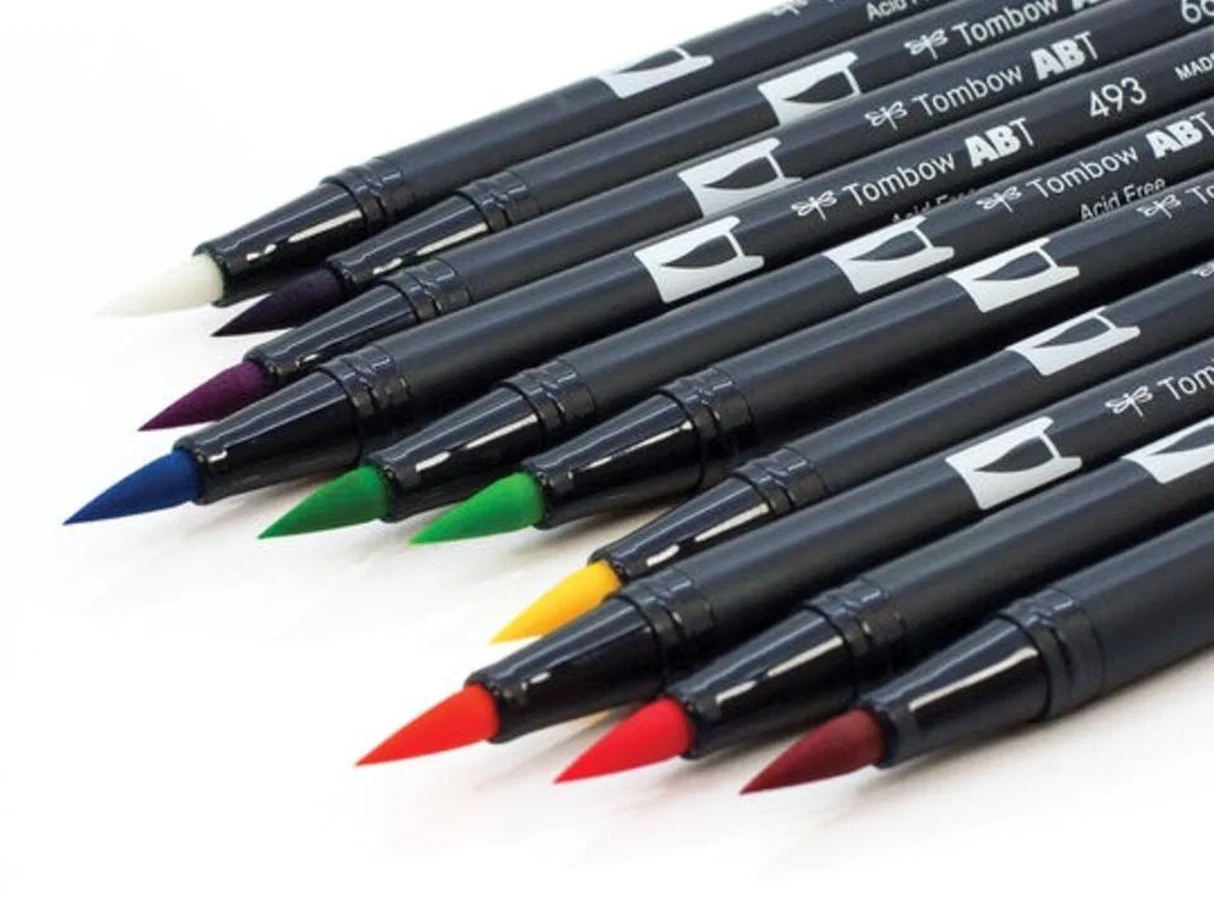
First, name the fray
Different problems need different fixes. Take a quick look at the tip and choose the closest match.
- Fuzzy halo: the point looks soft and linty, but it still draws.
- Split tip: the point has formed two or more “fingers,” so downstrokes look streaky.
- Hooked or bent point: the tip curves to one side, often from pressure or rough paper.
- Dry but not frayed: the tip looks fine, but ink skips or feels faint.
- Chewed-up fibers: the end looks uneven and shredded, often from textured paper.
One quick note on tip types: felt and fiber tips usually respond well to gentle reshaping and tiny trims. Nylon brush tips often bounce back nicely with careful coaxing. Very soft foam-like tips are less forgiving, and cutting them can make them crumble.
If you see visible mold, smell a musty odor, or notice anything you cannot identify growing on the tip, discard the pen and do not try to clean it. The studio stays happier that way.
Stop the fray spiral
Before trimming or rehydrating, set your pen up for success.
- Switch to smoother paper. Rough paper is the fastest route to fuzzy tips. This guide to paper that keeps brush pens from fraying can help you choose surfaces that are kinder to fibers.
- Lighten pressure on upstrokes. Upstrokes should feel like a whisker touch.
- Rotate the pen as you write. Turning the barrel slightly spreads wear around the tip instead of grinding one spot.
- Cap it promptly. Many “frayed” pens are actually drying out, which makes fibers feel rough.
What not to do
These are the shortcuts that usually make a frayed tip worse.
- Do not soak the tip in water, cleaner, or rubbing alcohol.
- Do not press harder to “force” ink out. Pressure is a fray factory.
- Do not use acetone or harsh solvents on any brush tip.
- Do not practice on rough watercolor paper unless that texture is the goal and you are okay sacrificing the tip.
- Do not heat the pen with hot water, microwaves, or direct sun.
Quick reshape
Sometimes a pen looks frayed because it is carrying paper dust, dried ink, or tiny fibers from textured sheets.
What you need
- A clean scrap of smooth paper
- A damp lint-free cloth or cotton swab
- Optional: a tiny drop of water (for water-based pens only)
Steps
- Scribble gently on smooth paper for 10 to 20 seconds, using light pressure and slow strokes. This can re-align fibers.
- Wipe the tip lightly with a barely damp cloth or swab. Do not soak it.
- Shape the point. With the cap off, use the smooth paper to coax the tip back into a taper by making a few light upstrokes and controlled downstrokes.
If the tip improves, stop there. The tiniest fix is often the best fix.
Careful trimming
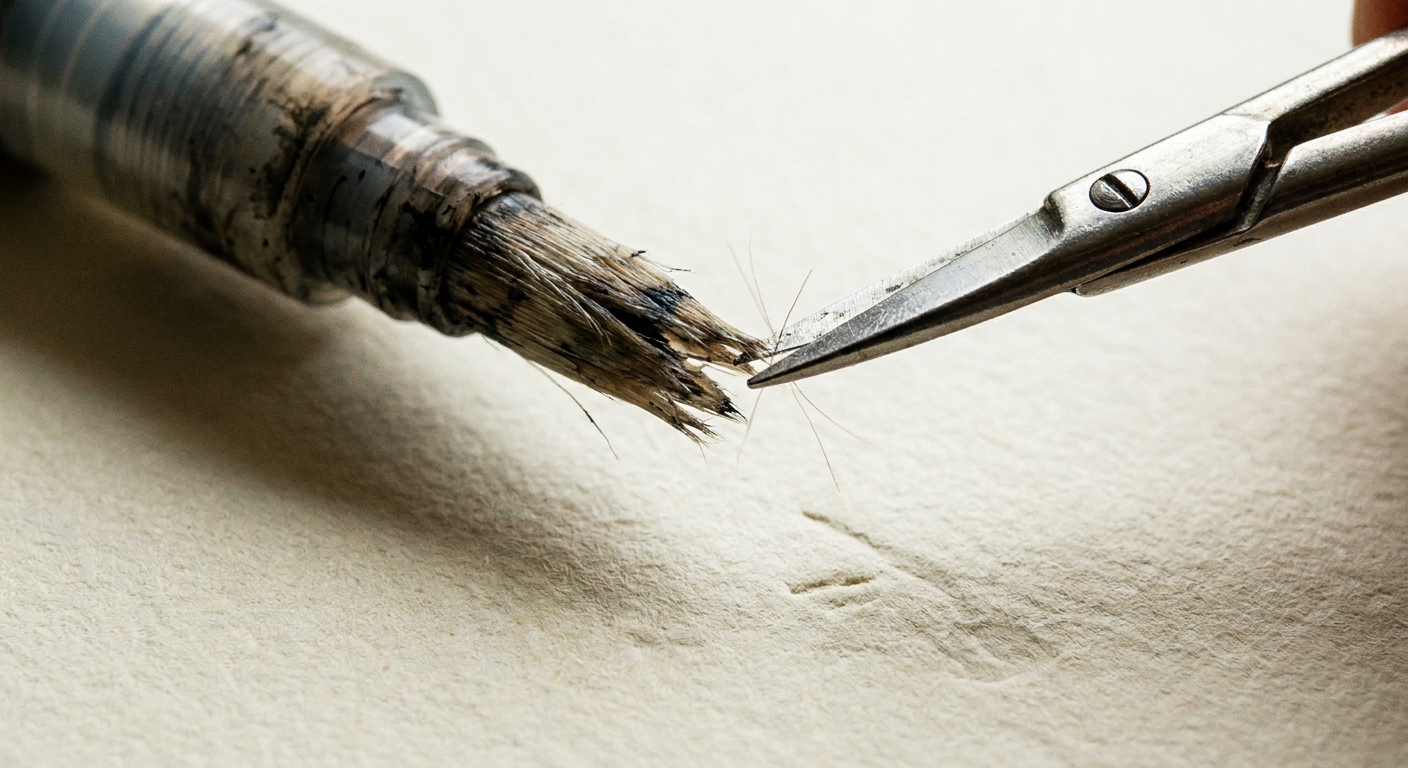
Trimming is the “haircut” option. It can extend the life of a brush pen, but it is also permanent. Use this when the tip is split, hooked, or shredded and reshaping is not enough.
What you need
- Small sharp scissors (nail scissors work well) or a craft knife
- Smooth paper for testing
- Good lighting
Before you cut
- Check the tip material. Trimming works best on felt and fiber tips. If it is a very soft foam tip, cutting can make it crumble.
- Cut as little as possible. You can always cut more. You cannot un-cut.
- Keep it tidy. Snip over a scrap sheet, toss the little fibers, and cut away from fingers. Keep scissors out of kid reach.
How to trim a frayed brush tip
- Blot until it is not glossy. If the tip is very wet with ink, dab it on scrap paper so you can see the shape clearly.
- Identify the longest stray fibers. Focus on the pieces sticking out past the main point.
- Snip only the strays. Use tiny cuts. Aim to restore an even taper, not to shorten the whole brush.
- Test on smooth paper. Try light hairlines and slow downstrokes. If it still catches, trim one more tiny snip.
- Stop early. A slightly blunter tip can still letter beautifully with a thicker style.
Rehydrate safely
A pen that is skipping can feel frayed because the fibers drag when they are dry. Rehydration depends on the type of ink. When in doubt, use the gentlest method and do not flood the tip.
Step 1: Know your ink
- Water-based brush pens: usually safe to rehydrate lightly with water.
- Alcohol-based markers: do not add water. Some brands have refillable ink and replaceable nibs, though, so if yours is a refillable system, follow the manufacturer method.
- Dual-tip markers: often water-based, but not always. If the barrel says “alcohol,” treat it as alcohol-based.
Gentle rehydration for water-based brush pens
- Try tip-down briefly. Stand the pen tip-down for 5 to 10 minutes, with the cap on and a paper towel under it just in case. If you notice pooling or leaking, stop and return it to horizontal storage.
- Moisten, do not soak. Touch the tip to a slightly damp paper towel for 1 second. This can help, but it can also wick pigment out of some dye-based inks, so keep it minimal and do not repeat it often.
- Rest horizontally. Cap the pen and let it rest flat for 10 minutes.
- Test with slow strokes. Use smooth paper and light pressure.
Avoid this common oops: dipping the tip into water. That can dilute ink inside the pen, cause blotchy flow, and weaken the adhesive holding the tip.
Smooth out rough flow
Sometimes the tip is fine, but ink is not reaching it smoothly.
Try these in order
- Warm it with your hands. Hold the capped pen in your hands for a minute. Skip hot water, heaters, windowsills, and any high heat that can warp plastic or increase leaking.
- Store horizontally. Many brush pens prefer a nap instead of tip-up living.
- Prime with light strokes. On smooth paper, do a page of light drills. If you want ideas, hop over to Tutorials & Practice Drills for practice patterns that are easy on tips.
When to stop fixing
A brush pen has done its best work when:
- The tip will not hold a point even after trimming.
- Ink flow is consistently blotchy or the marker leaks.
- The barrel cracks or the cap no longer seals, causing constant dry-out.
That is not the end. It is just a costume change.
Ways to repurpose it
Frayed tips can make delightful textures that a perfect pen cannot. Here are some fun new jobs for your worn markers.
1) Texture fills
Use a frayed pen to shade inside thick strokes, fill big block letters, or add a soft velvet look. The uneven fibers create natural grain.
2) Dry-brush bounce
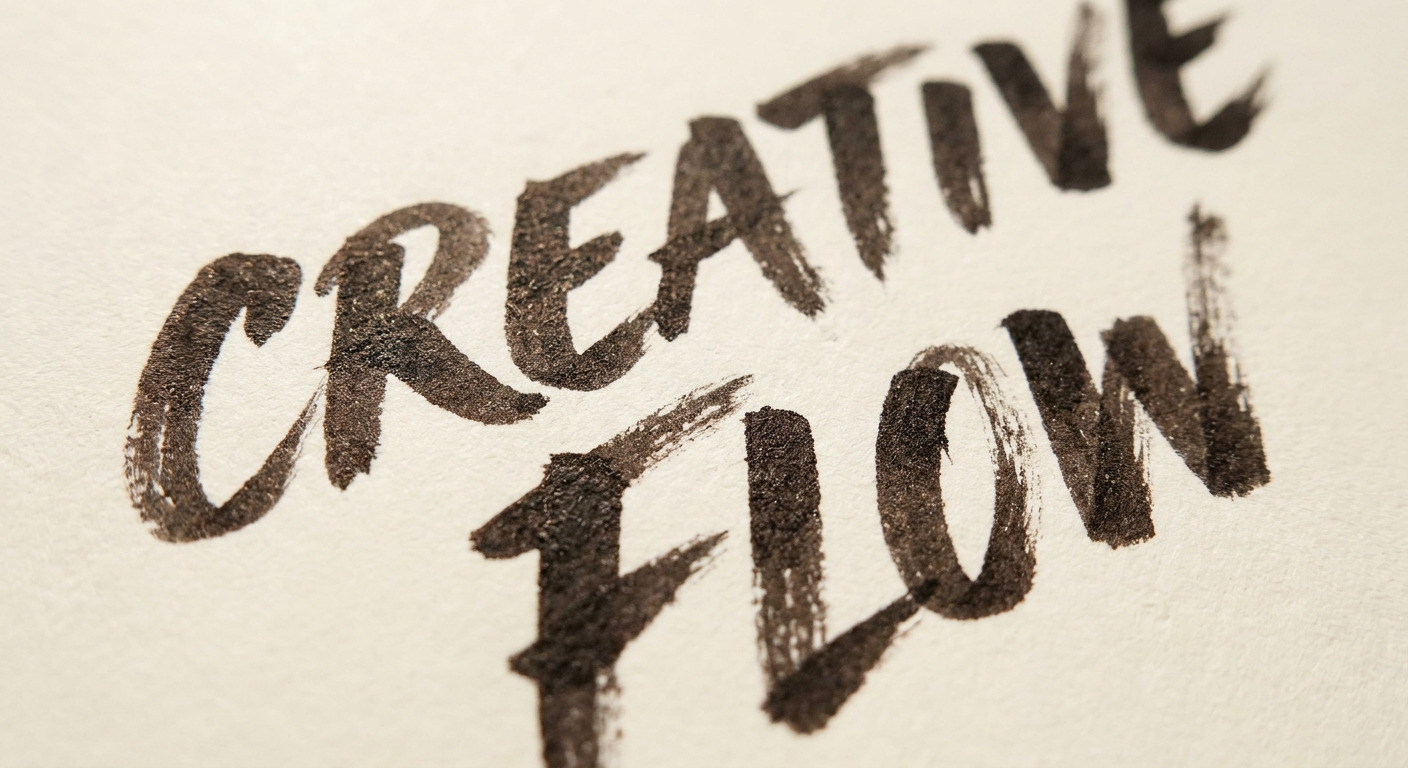
On smooth paper, write with very light pressure and quick strokes. A slightly dry pen makes gorgeous broken lines for modern styles.
3) Blending helper
Use a light, worn pen as a blender to soften edges between two colors. Work fast and use gentle strokes so the tip does not snag.
4) Doodle textures
A split or frayed point is perfect for:
- tiny foliage strokes
- fur texture on animals
- sparkly confetti dots
- rustic wreath filler
5) Background wash
If the pen is still juicy but the point is too blunt for lettering, use it to lay down a light background wash behind a word, then letter on top once dry.
Keep the next one happy
- Choose the right paper for practice. Smooth paper protects tips and helps ink glide. See paper recommendations for preventing fray.
- Practice pressure control. Heavy pressure on upstrokes is a fast fray-maker.
- Use small pens for small writing. If you are working tiny, a smaller tip can prevent over-pressing. If you are choosing tools, best brush pens for calligraphy beginners is a helpful starting spot.
- Cap tightly and store thoughtfully. A good seal keeps tips from drying into scratchy little brooms.
Common questions
Will trimming ruin my brush pen?
Trimming can shorten the life of the pen if too much is removed at once. If you only snip stray fibers and keep the tip shape, it can restore smoother strokes. Some tip materials simply will not recover, and that is okay.
My brush pen tip is bent. Can it be fixed?
Often, yes. Try gentle reshaping on smooth paper and rotate the pen as you practice. If the bend is stubborn, a tiny trim of the hooked area can help.
Can I refill brush pens?
Some models are refillable and some are not. If your pen was not designed for refills, opening it can cause leaks and drying issues. If it is a refillable system, follow the manufacturer instructions for that model.
Why does my brush pen keep fraying after I fix it?
The usual culprits are rough paper, too much pressure, or writing very small with a large brush tip. A smoother practice surface and lighter touch make the biggest difference.
A tiny pep talk from Nib
A frayed brush pen is not a failure. It is a sign that letters have been made. Try a gentle reshape, give it a careful haircut if it needs one, and if it still feels grumpy, invite it into your texture crew. Beautiful words can come from imperfect tools, one swoop at a time.