Grab your favorite brush pen and let’s keep it comfy between practice sessions. Storing calligraphy pens and markers the right way is one of the easiest ways to protect ink flow, reduce dry starts, prevent messy caps, and help tips stay crisp and springy.
The quick rule
If you remember only one thing, make it this:
- Many brush pens and dual-tip markers do best stored horizontally.
- Some pens prefer a specific direction (tip-up or tip-down). When in doubt, follow the barrel or packaging instructions.
- Dip pens and nibs store clean and dry.
Why the caution? Marker designs vary. Some have one reservoir feeding two ends, some have a single tip and a different internal structure, and some use thicker paint that behaves differently. The safest default for most lettering markers is horizontal storage, but the brand’s instructions always win.
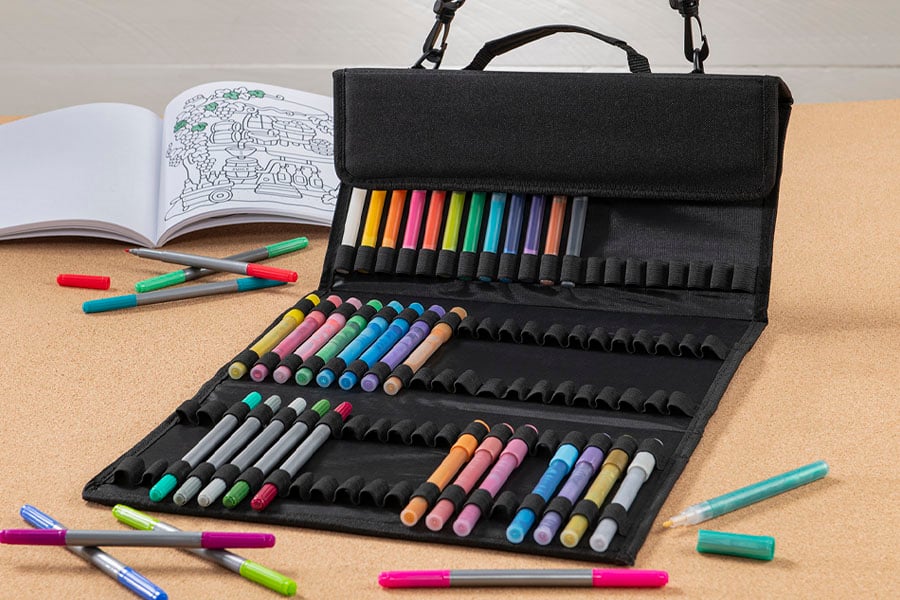
Store horizontally: most brush pens and dual-tip markers
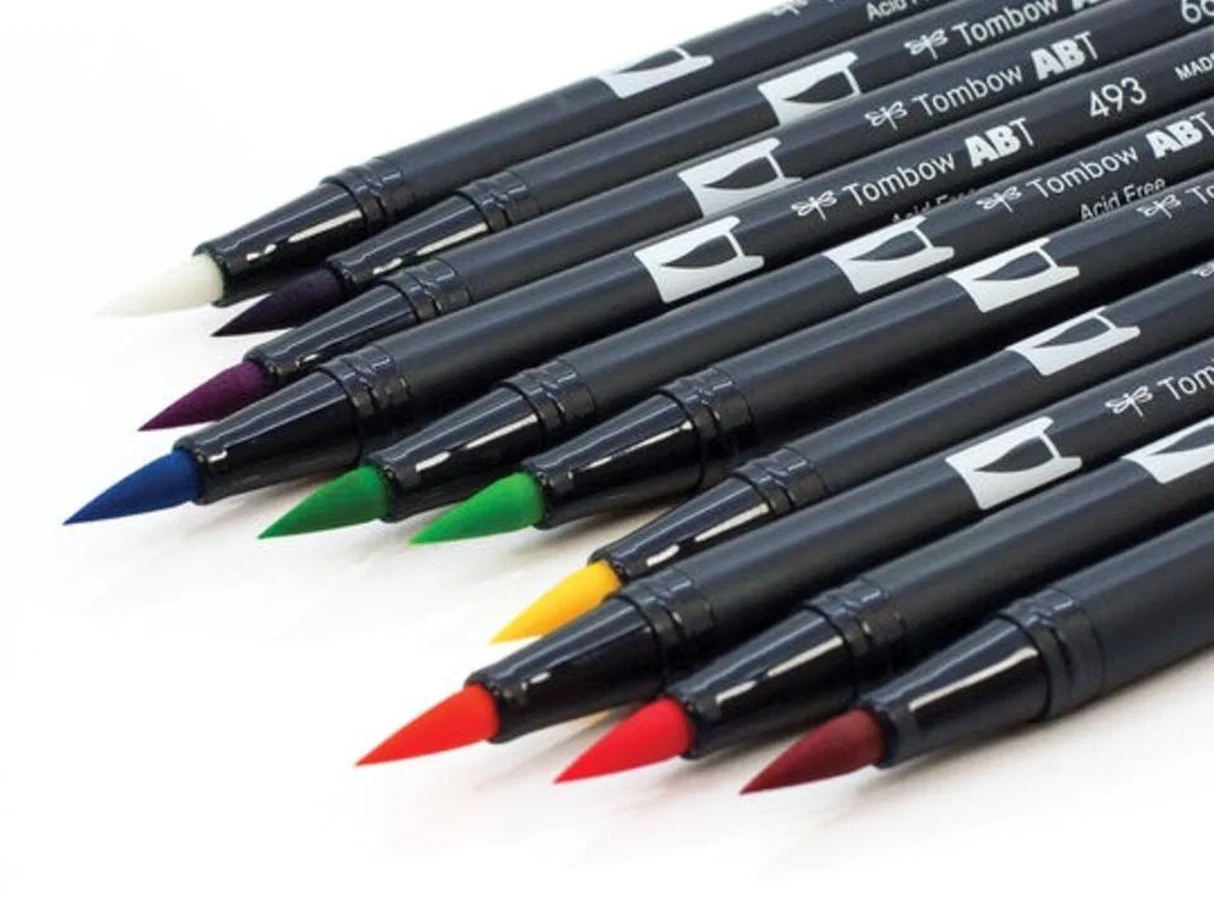
For the most common modern lettering tools, horizontal storage is a solid default because it helps keep ink available to the tip without overloading one end.
Tools that usually do well stored flat
- Water-based brush pens (felt brush tips and nylon brush tips)
- Dual-tip markers (brush tip plus bullet tip)
- Broad markers used for faux calligraphy or big fills
- Many alcohol markers (often recommended to keep both ends from drying unevenly)
Why horizontal helps
- More even ink distribution across tips, especially on dual-tip markers
- More consistent starts (less of that scratchy, dry first touch)
- Fewer storage surprises like one end running dry while the other end gets overly saturated
Note: leaks are usually more about heat, pressure changes (hello, flights), worn caps, or a marker that got jostled. Storing flat can help with balance, but it is not a guarantee if the cap seal is weak.
If your brush tip has started to look fuzzy or split, storage is only one piece of the puzzle. Paper makes a big difference too. See paper that keeps brush pens from fraying and how to fix frayed brush pens.
Store vertically: when direction matters
Some tools can be stored upright, but the best direction depends on the ink and how the tip is built. If the barrel or packaging gives a direction, follow it first. Here are a few practical guidelines that tend to work well.
Tip-down (sometimes best for valve-action paint markers)
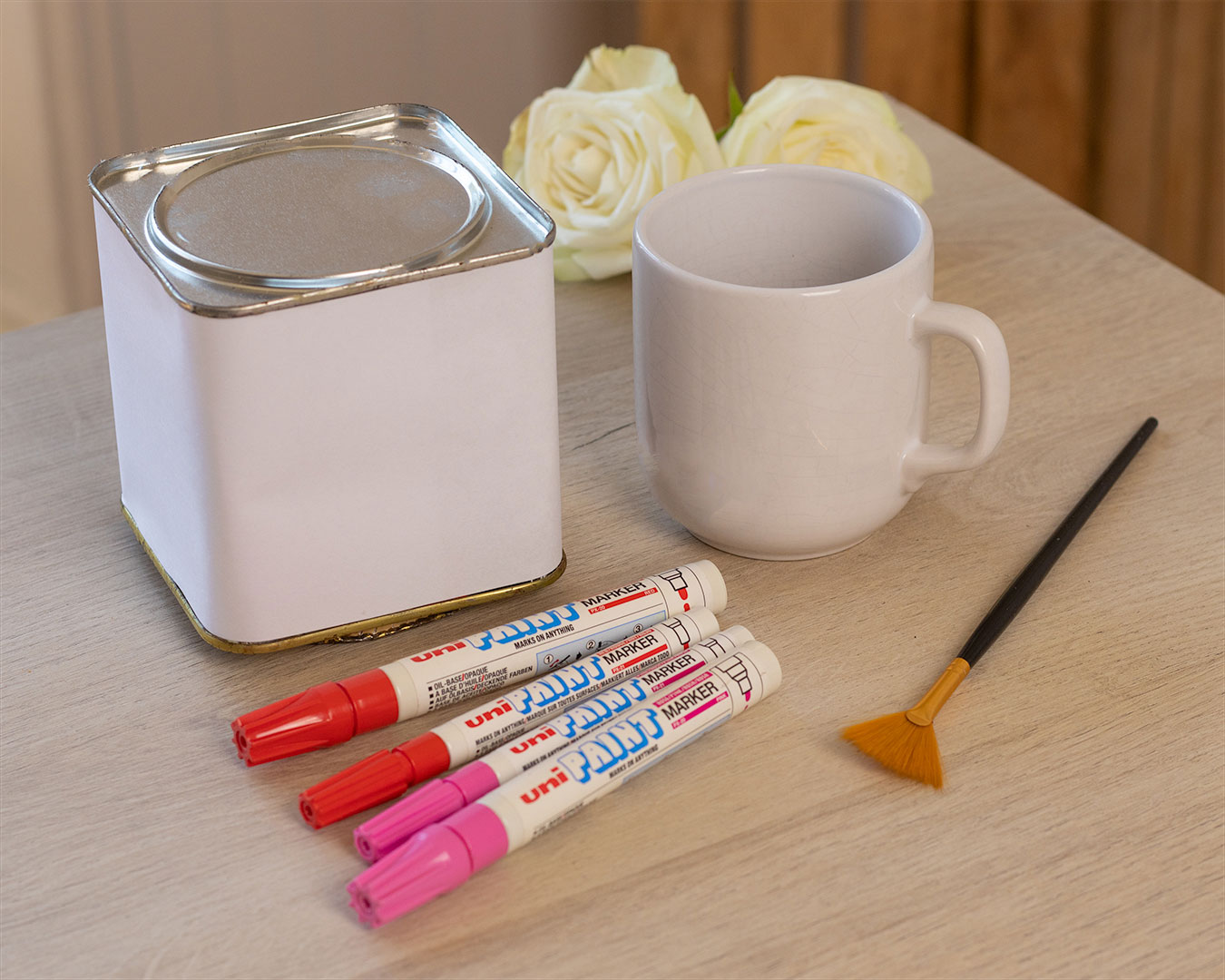
Paint markers (including many acrylic paint pens) are often valve-action: you prime the tip so paint flows. For some brands, storing tip-down can help the nib stay ready, especially if the paint is thicker.
- Use tip-down only if the marker is designed for it and the cap seals tightly.
- Wipe the nib and recap promptly after use to keep paint from crusting near the tip.
- If you notice cap pooling or messy starts, switch to horizontal and see if it behaves better.
Tip-up (helpful for cap pooling, with a tradeoff)
Storing tip-up can reduce the chance of ink collecting in the cap, which is helpful for:
- Very wet dye markers that tend to pool or “burp”
- Markers you toss in a bag where movement can push ink toward the cap
The tradeoff: tip-up storage can let the tip dry a bit faster on some formulas. If it starts dry, give it a few seconds of gentle scribbling on smooth scrap paper to get the flow back.
Technical pens and fineliners: follow the manufacturer
Some fineliners and technical pens (especially pigment-based or very fine needle-like tips) can be sensitive to drying and clogging. Storage direction varies by brand and ink chemistry, so it is smart to follow the instructions that came with the pen.
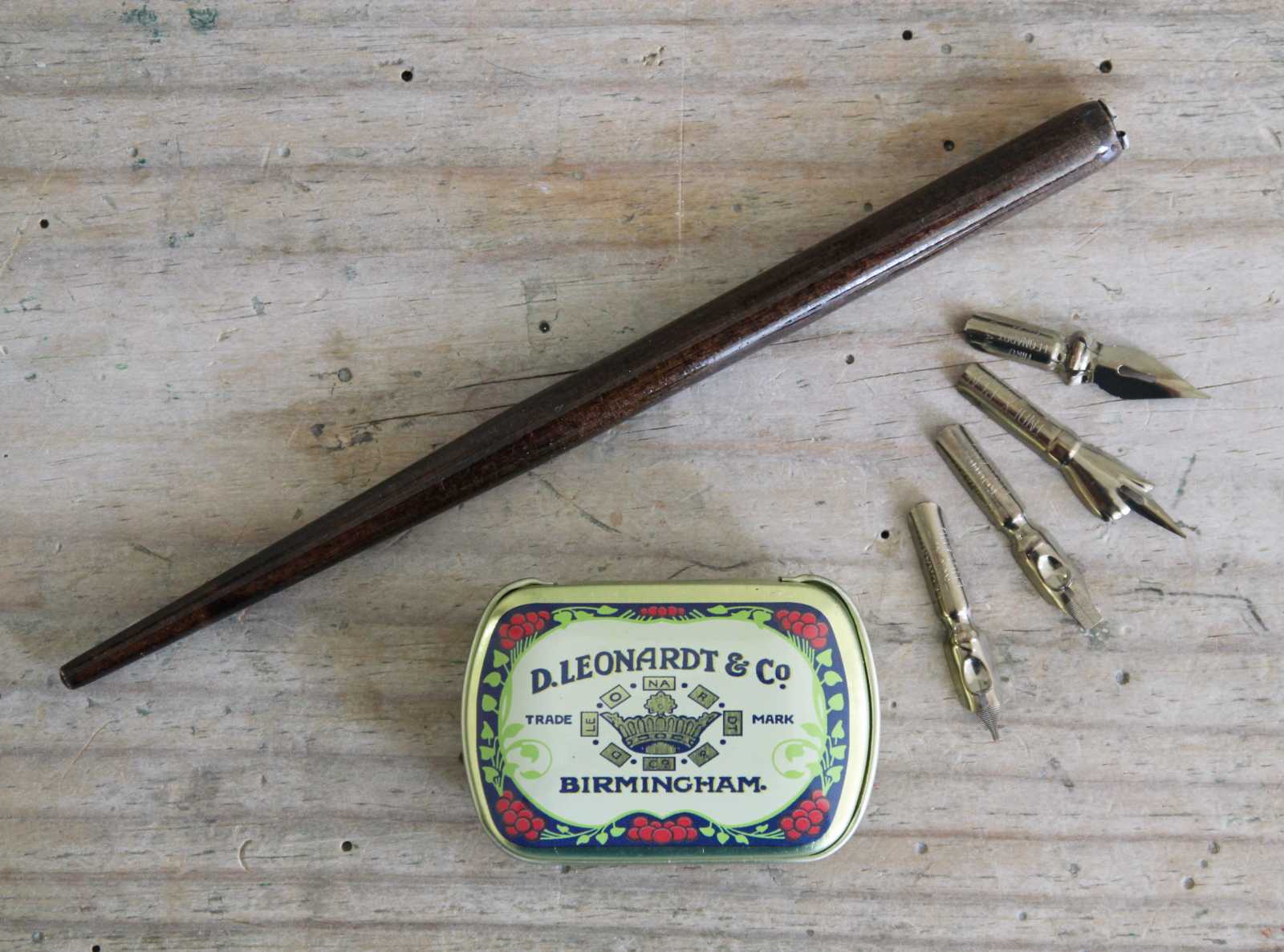
Dip pens, nibs, and holders: clean and dry
Dip pen tools store differently because the ink is not inside the pen. The goal is to prevent rust, protect the nib point, and keep everything easy to grab.
Best practices
- Store nibs completely dry to avoid corrosion.
- Keep nibs separated in a small box or organizer so points do not bump together.
- Store pen holders horizontally or upright, whichever keeps them from rolling or getting knocked to the floor.
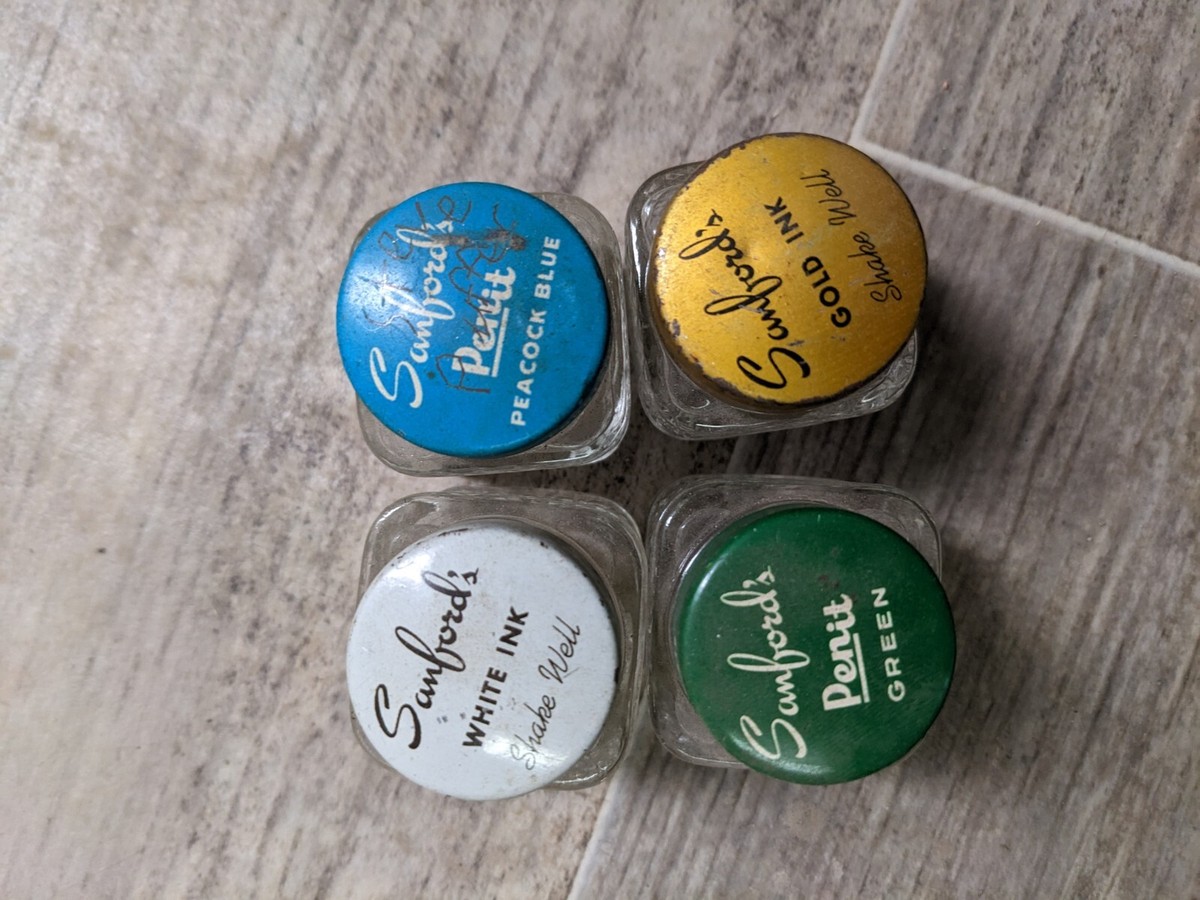
- Close ink bottles tightly and wipe threads so lids seal well.
If you use bottled ink, it also helps to know what type you are working with. Here’s a friendly overview: Sumi, India, or walnut dip pen ink basics.
A simple storage setup
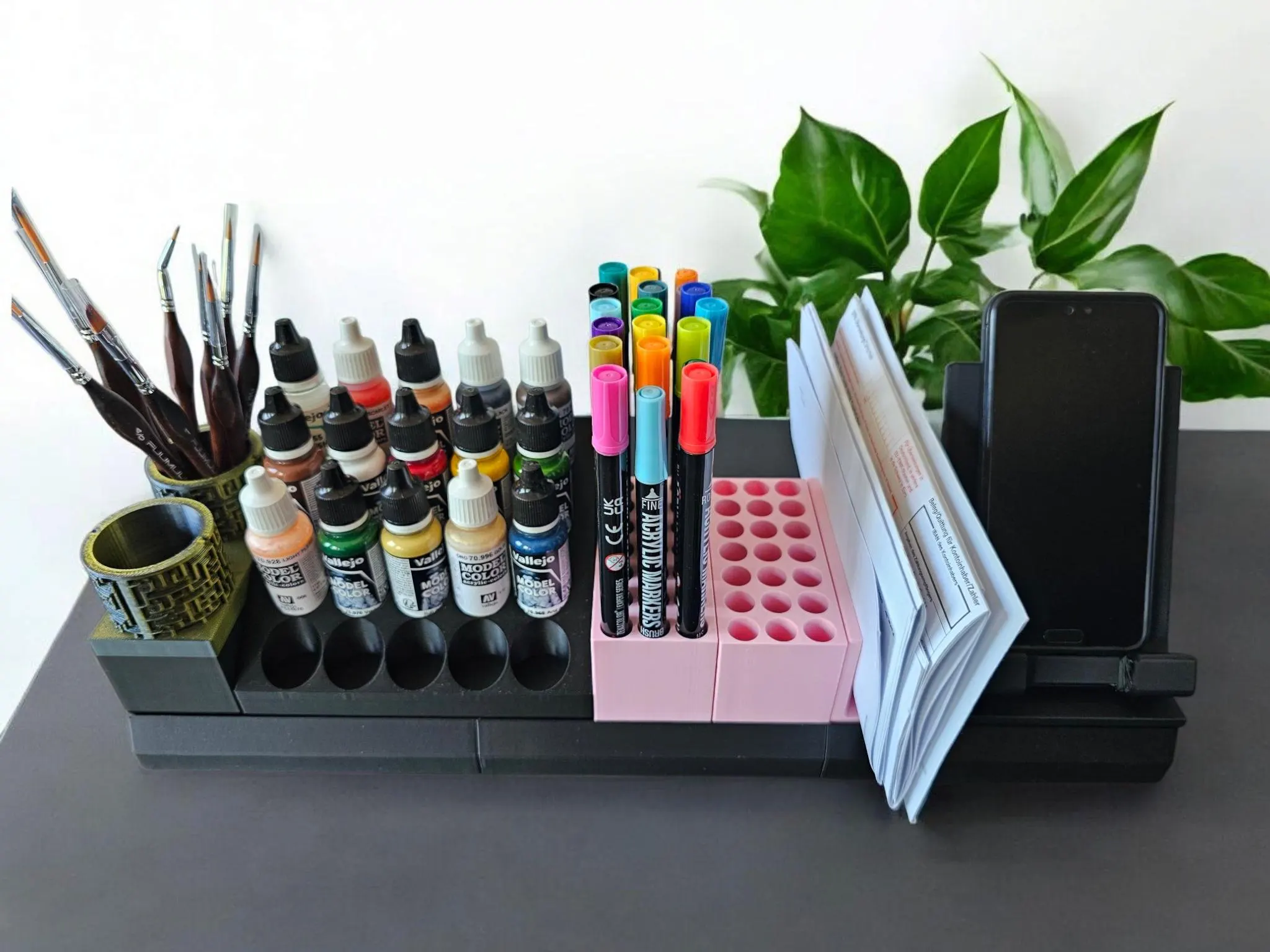
Fancy organizers are fun, but good storage is mostly about three tiny habits: cap tightly, store consistently, and keep tools clean.
Step 1: Sort by tool type
- Horizontal drawer or case: brush pens, dual-tip markers, alcohol markers
- Upright cup or caddy: pencils, erasers, rulers, gel pens, items you grab constantly
- Small box: nibs, extra caps, replacement tips, tiny accessories
Step 2: Keep caps and tips safe
- Recap right away if your marker dries quickly.
- Do not store loose markers in a bag where caps can get bumped off.
- Avoid crushing brush tips by keeping horizontal tools in a tray where nothing presses down on them.
- For long-term storage, do a quick cap check once in a while. A tiny crack or a loose cap fit can dry a pen out faster than almost anything else.
Step 3: Pick a stable spot
- Cool and dry is ideal.
- Avoid heat like sunny windowsills, heaters, and hot cars. Heat can thin ink and encourage leaks.
- Avoid freezing temps too. Some inks can separate, and some plastics can get brittle.
- Avoid high humidity that can encourage mold on wooden holders or water-based messes.
Step 4: If pens sit for months
- Store them flat and give them a gentle roll or rotation occasionally to help ink stay evenly distributed.
- Test on scrap before a project, especially if it has been a long time since you used that color.
Travel storage
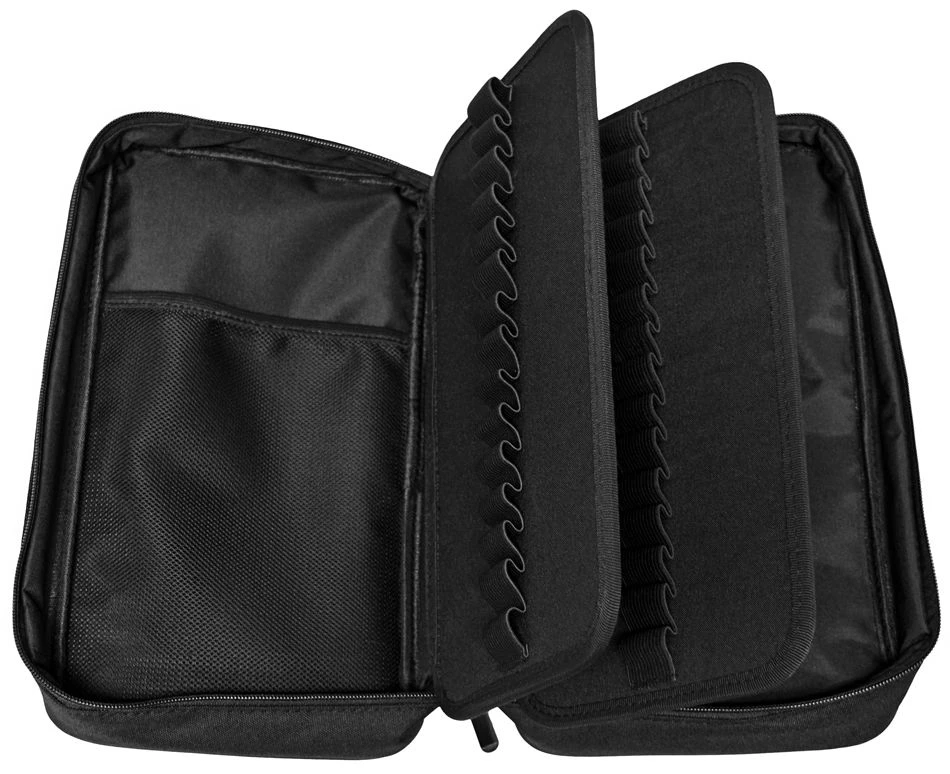
Lettering on the go is delightful, but bags bounce, and air travel or big altitude changes can make markers act a little wild. To help tools arrive calmly:
- Store markers horizontally in a snug case so they cannot rattle.
- Use a sealed pouch inside your bag if you are worried about leaks.
- Keep ink bottles upright and padded, and consider skipping bottles for short trips if spills would be a disaster.
- Bring a scrap sheet to restart any tip that needs a moment to wake up.
Troubleshooting
My marker skips at the start
- Store it horizontally for 24 hours.
- Scribble gently on smooth paper to restart flow.
- Check that the cap clicks fully closed.
Ink keeps pooling in the cap
- Try horizontal storage, or tip-up if the marker is very juicy.
- Keep the marker out of heat.
- Wipe the inside rim of the cap carefully if it is messy, then recap firmly.
My brush tips are fraying faster than expected
- Use smoother practice paper. Here’s a guide: paper that keeps brush pens from fraying.
- Avoid pressing hard on upstrokes.
- Check this repair guide: how to fix frayed brush pens.
Cheat sheet
| Tool | Best storage (typical) | Notes |
|---|---|---|
| Water-based brush pens | Horizontal | A common best practice, but follow brand instructions if they specify otherwise. |
| Dual-tip markers | Horizontal | Helps both ends stay evenly inked. |
| Alcohol markers | Horizontal (often) | Many brands recommend flat storage to prevent one end drying out. |
| Paint markers (valve-action) | Varies | Some do well tip-down, many do well flat. Follow the barrel or packaging. |
| Fineliners and technical pens | Varies by brand | Direction depends on tip design and ink type. Follow manufacturer instructions. |
| Dip pen nibs | Dry, protected | Store clean and dry to prevent rust. |
| Pen holders (dip) | Either | Store so they do not roll or get bent. |
A tidy finish
When pens are stored the way they like, lettering time feels smoother from the first swoop. Store many brush pens and dual-tip markers horizontally, let specialty pens follow their own instructions, and give nibs a clean, dry home. Your tools will be ready whenever inspiration shows up.
If you’re building out your supplies, hop over to Tools & Supplies for more friendly guides.